The Brand That Proved Body Positivity Sells
American Eagle's Lingerie Experiment (2006)
Aerie launched in 2006 as American Eagle Outfitters' intimate apparel sub-brand, targeting the same young demographic (15-25 year olds) with bras, underwear, and loungewear. For its first eight years, it was a competent but unremarkable competitor in the crowded mall-based intimates market, following the same playbook as everyone else: aspirational models, airbrushed photography, and conventional beauty standards.
Then, in January 2014, Aerie made a decision that would transform the brand and send shockwaves through the entire industry.
#AerieREAL: The No-Retouching Pledge (2014)
Aerie announced that it would stop retouching its models entirely. No smoothing skin. No slimming waists. No removing stretch marks, scars, or tattoos. No digital enhancement of any kind.
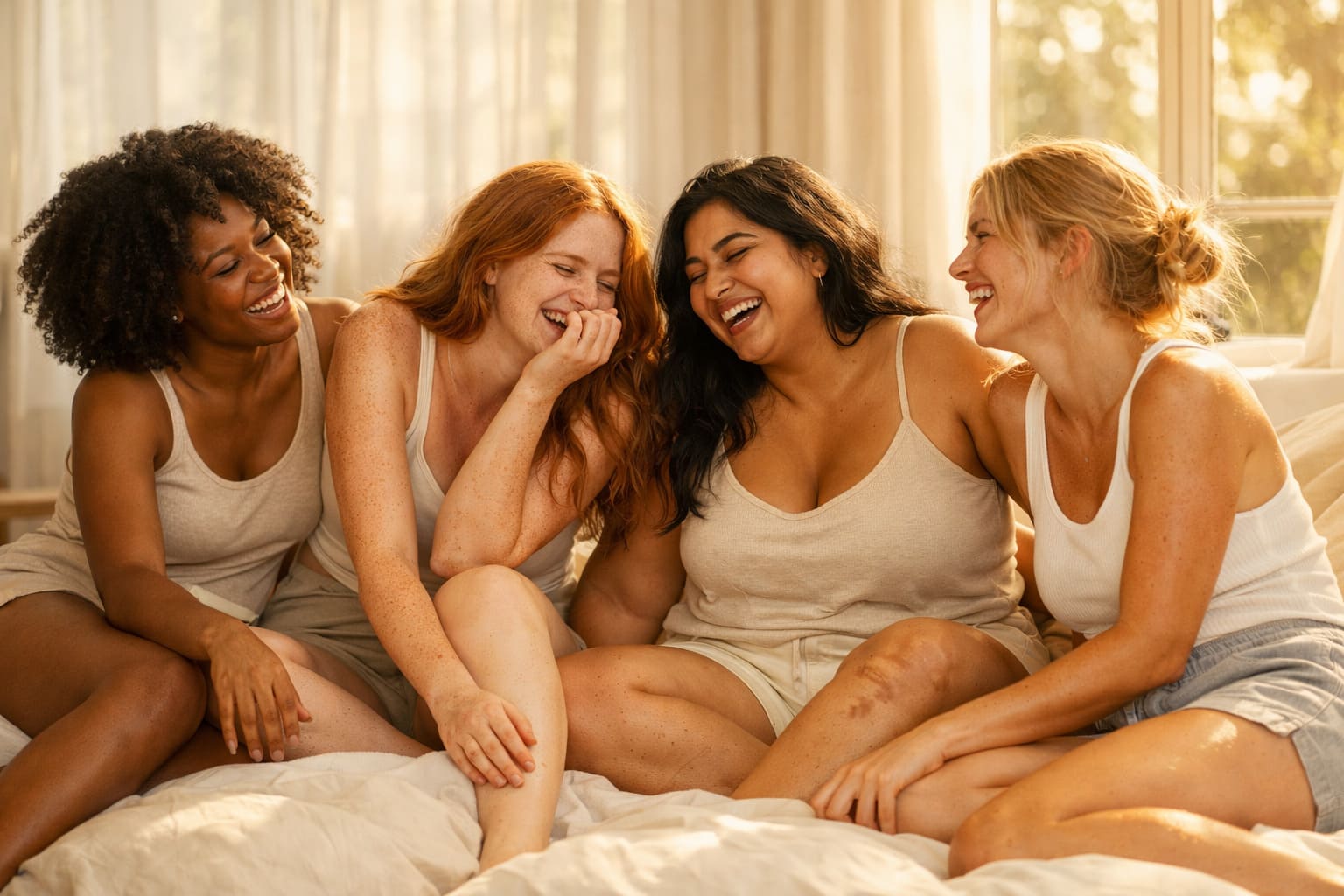
The campaign, branded #AerieREAL, was accompanied by a manifesto: "The real you is sexy." Models appeared in campaigns with visible cellulite, birthmarks, body hair, and every other natural feature that the lingerie industry had spent decades erasing.
The market's reaction was immediate and overwhelming. Within the first year of the #AerieREAL campaign, same-store sales rose 9%. The following year, they rose again. And again. By 2018, Aerie had achieved 16 consecutive quarters of double-digit comparable sales growth.
Expanding Representation
Aerie expanded its definition of "real" beyond un-retouched photography. The brand recruited "Role Models" rather than traditional models — women like Aly Raisman (Olympic gymnast and sexual abuse survivor), Iskra Lawrence (body positivity advocate), Brenna Huckaby (Paralympic snowboarder), and women with visible disabilities, ostomy bags, insulin pumps, and wheelchairs.
Each Role Model was chosen not for conventional beauty but for her story and her impact. The brand proved that consumers — especially Gen Z and younger millennials — responded more powerfully to authenticity than aspiration.
The Business Case for Authenticity
The financial results silenced skeptics who argued that aspirational marketing was necessary:
- 2015: Revenue rose 20% year-over-year
- 2016-2019: Consistent double-digit growth every quarter
- 2020: Aerie revenue surpassed $1 billion for the first time
- 2021-2023: Continued growth even as other brands struggled
While Victoria's Secret was losing market share and canceling its fashion show, Aerie was experiencing its strongest growth period ever. The correlation was hard to ignore.
Cultural Impact
Aerie did not merely benefit from the body positivity movement — it helped create it. The #AerieREAL campaign gave mainstream commercial legitimacy to a conversation that had previously existed primarily in activist spaces and on social media.
Other brands followed: Glossier, Dove (which had pioneered "Real Beauty" earlier but in a different category), and eventually even Victoria's Secret abandoned retouching. Aerie proved the business case that the industry needed — not just that body positivity was right, but that it was profitable.
Collections (1)
25 products in our archive
Use our Lingerie Identifier to find matching pieces