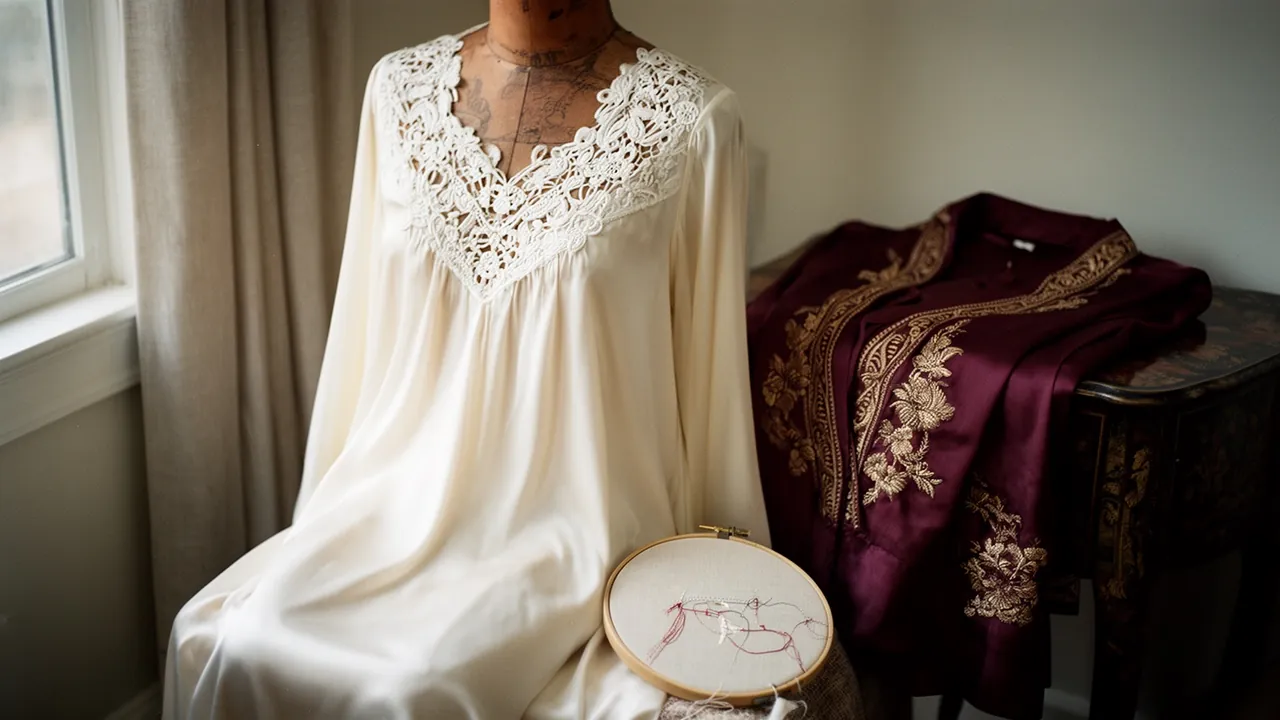
In 1977 a Manila-born Merrill Lynch executive, Josie Cruz Natori, turned a batch of embroidered Philippine blouses into a nightwear business, and Natori has been a New York luxury lingerie, sleepwear and lifestyle company ever since. It still trades under her name, sells bras, sleepwear, loungewear, clothing and home goods, and makes most of its products in the Philippines.
A Pianist From Manila
Josefina Almeda Cruz was born in Manila on May 9, 1947, one of six children. Her first public career was music: at nine she played as a soloist with the Manila Philharmonic Orchestra. She moved to the United States in 1964 to study at Manhattanville College, where she concentrated on economics, and took further courses at Fordham University.
Finance came next. She worked for the brokerage Bache & Co. and at 21 was assistant manager of its Manila branch. She later joined Merrill Lynch, where she became the firm's first female vice president in corporate finance. On Wall Street she met Ken Natori, then a managing director at Shearson Lehman; they married in 1972, and she became an American citizen in 1974.
The Blouse That Became a Nightshirt, 1977
After about six years in finance, she wanted to build something of her own, and she looked first to home. Peasant blouses embroidered in the Philippines were sent to her in New York, and she showed them to a buyer at Bloomingdale's. The buyer's advice, as recorded in her biography, was to lengthen them. A longer embroidered blouse is a nightshirt, and with that suggestion Natori moved from blouses into sleepwear.
The orders came quickly. She held a trunk show in her apartment, and by her own account she had $350,000 in orders within three weeks, with Saks Fifth Avenue among the buyers. The showroom tells the rest of the early story in square feet: 300 in 1978, 18,000 by 1983.
The Natori Look
Natori's founding idea was to bring Philippine needlework into American luxury nightwear and lingerie. Hand embroidery, appliqué and the fine detailing of Philippine workshops were applied to Western silhouettes: robes, gowns, chemises and, later, bras. Asian-inspired prints and motifs became a recurring signature, and silk and satin the main grounds for them.
Production has stayed close to that origin. About 70 percent of Natori's products are made in the Philippines, with further manufacturing in China. Few American luxury intimates labels can draw such a straight line from where the founder grew up to where the goods are sewn.
From One Label to a Family of Labels
The business is now organized under several names. Natori is the main line, alongside Josie and N Natori, the label that carries the company's dresses and clothing. The current range runs from bras and underwear to sleep and lounge, bridal, swimwear, couture, accessories and fine jewelry, and home goods including bedding, towels, rugs and furniture. A fragrance launched in 2014. This encyclopedia keeps a separate entry for the Josie Natori label.
The company is sold in department stores across the US and in at least fifteen countries.
A Family Company
Natori is still run by its founding family. Ken Natori, Josie's husband, is the company's chairman, and their son Kenneth Natori has worked across e-commerce, finance, licensing, public relations and marketing. Nearly fifty years after the Bloomingdale's meeting, the name on the label and the names on the board are still the same.
Honors
Josie Natori's position as a Filipino-American business figure is reflected in her awards. Corazon Aquino presented her with a Galleon Award in 1998. In March 2007 she received the Order of Lakandula from the Philippine government, and in April 2007 the Ellis Island Foundation's "Peopling of America" Award. A BPInoy Award followed in 2008, and in 2021 she appeared on a Philippine postage stamp, a rare honor for a lingerie designer anywhere.
Last updated
Founder
Sources
- en.wikipedia.org: Josie Natori
- natori.com: about us
Members
How Natori fits
Loading member reviews...