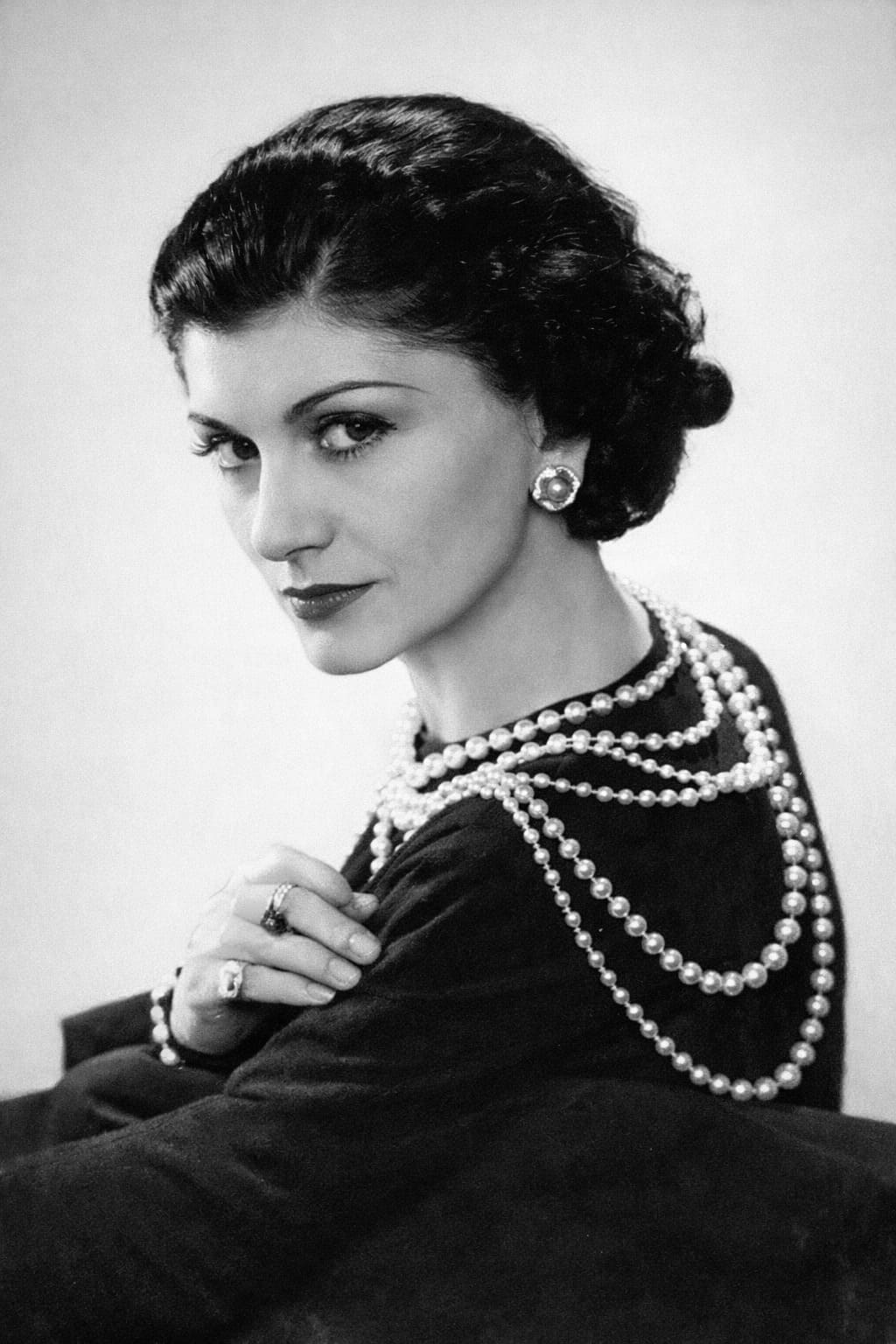
The Woman Who Killed the Corset
Gabrielle "Coco" Chanel did not invent a single undergarment. What she did was far more radical: she made the entire apparatus of Victorian foundation garments unnecessary.
From Orphanage to Atelier
Born in 1883 in Saumur, France, Chanel spent her childhood in a convent orphanage after her mother died and her father abandoned the family. She learned to sew from the nuns — a skill that would make her the most influential fashion designer of the 20th century.
The Revolution of Simplicity
Before Chanel, getting dressed was an engineering project. Women wore corsets, petticoats, bustles, and layers of structured undergarments that took 20 minutes and sometimes a servant to put on. Chanel looked at all of this and said: no.
Starting in the 1920s, she introduced:
- Jersey fabric for women's clothing — previously used only for men's underwear
- Dropped waistlines that eliminated the need for waist cinching
- Straight, loose silhouettes that required nothing more than a simple brassiere underneath
- Trousers for women — borrowed from menswear
"Luxury Must Be Comfortable"
Chanel's most famous quote — "Luxury must be comfortable, otherwise it is not luxury" — was a direct attack on the corset and everything it represented. She believed that a woman who couldn't move freely, breathe deeply, or dress herself was not truly free.
Her little black dress (1926), her tweed suit, her costume jewelry — all of these were designed around a body that was unbound. The lingerie industry had to follow: if women weren't wearing corsets, they needed something else. The modern bra, the slip, the camisole — all of these flourished in the space Chanel opened up.
The Complicated Legacy
Chanel's personal life was as complex as her influence. Her wartime activities — including a relationship with a German officer during the Nazi occupation of Paris — remain controversial. But her impact on what women wear underneath their clothes is beyond dispute.
She didn't just change fashion. She changed the relationship between women and their own bodies.
"A girl should be two things: who and what she wants." — Coco Chanel