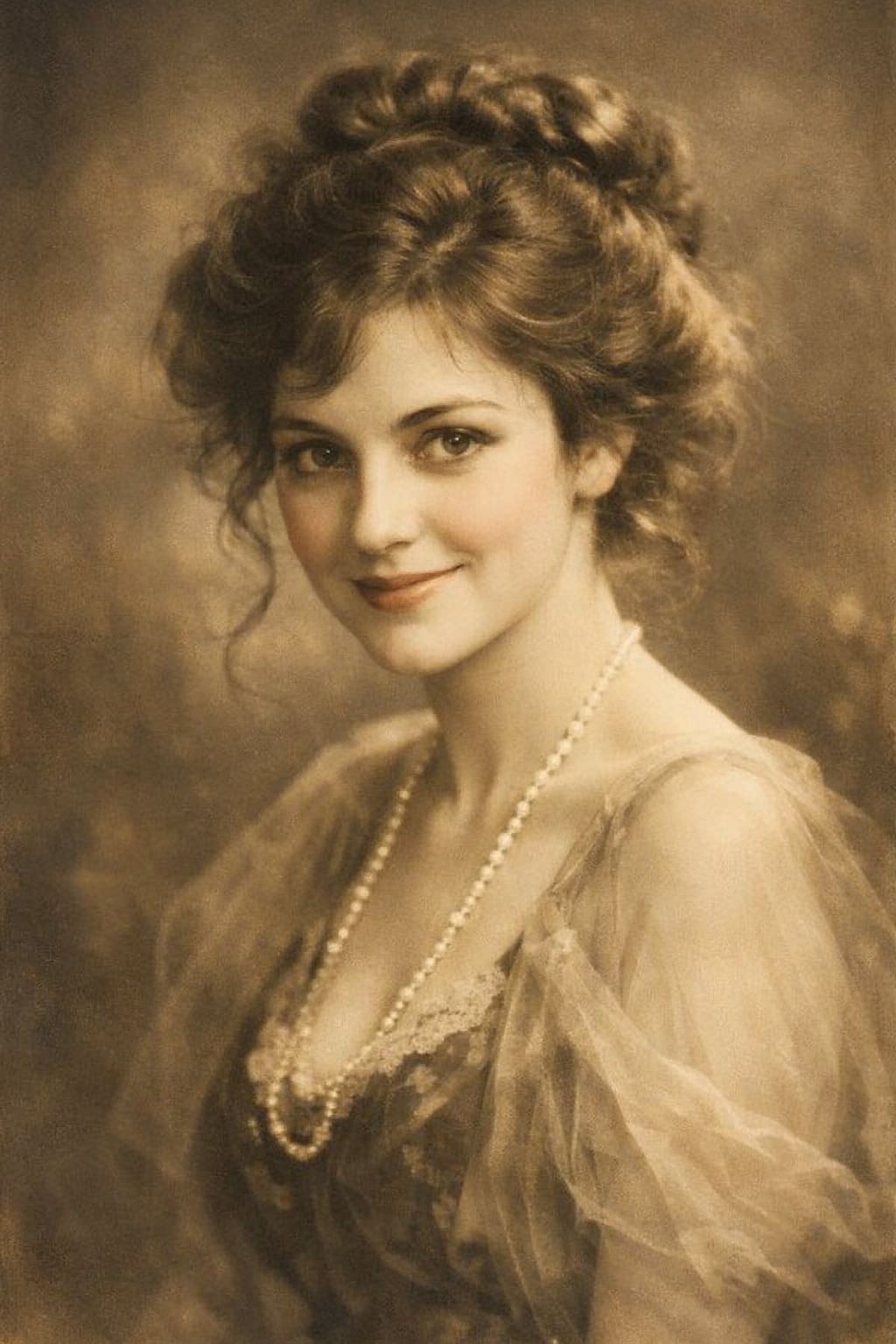
The Debutante, the Handkerchiefs, and the $15 Million Patent
On a winter evening in 1913, nineteen-year-old Mary Phelps Jacob was dressing for a debutante ball in New York City. Her sheer evening gown kept catching on the whalebone stays of her corset, the stiff fabric poking through the delicate material. Frustrated, she called for her French maid, and together they fashioned something new from two silk handkerchiefs, a length of pink ribbon, and a needle and thread.
The result was light, soft, and invisible under her dress. It was, by any modern definition, a bra.
The Patent
Jacob's friends immediately wanted one. She made several more, then realized the commercial potential. On November 3, 1914, she was granted U.S. Patent #1,115,674 for a "Backless Brassiere" — a garment with "no bones, no ## hooks, no eyes" that could be "adjusted to women of different sizes."
But Mary Phelps Jacob was a socialite, not a businesswoman. She sold the patent to the Warner Brothers Corset Company for $1,500 — roughly $45,000 in today's money. Warner would go on to make an estimated $15 million from the patent over the next 30 years.
Caresse Crosby: The Second Act
Jacob reinvented herself as dramatically as she had reinvented underwear. After marrying the poet Harry Crosby, she took the name Caresse and moved to Paris, where the couple founded Black Sun Press — publishing early works by D.H. Lawrence, James Joyce, Hart Crane, and Ezra Pound.
After Harry's death in 1929, Caresse continued as one of the most influential literary patrons of the 20th century. She lived in a castle in Italy, advocated for world peace, and remained a magnetic figure in international arts circles until her death in 1970.
The Irony
The woman who invented the modern bra from two handkerchiefs considered it the least interesting thing she ever did. "I can't say the brassiere will ever take as great a place in history as the steamboat," she wrote in her autobiography, "but I did invent it."
She was wrong about that.
Her patent drawing — two simple triangles connected by ribbons — remains one of the most elegant design solutions in fashion history.