The Encyclopedia
Lingerie Fabrics — A Material Guide
Silk, lace, satin, mesh — the textiles that define lingerie. Explore the properties, origins, and craftsmanship behind each fabric used in intimate apparel.
11 entries
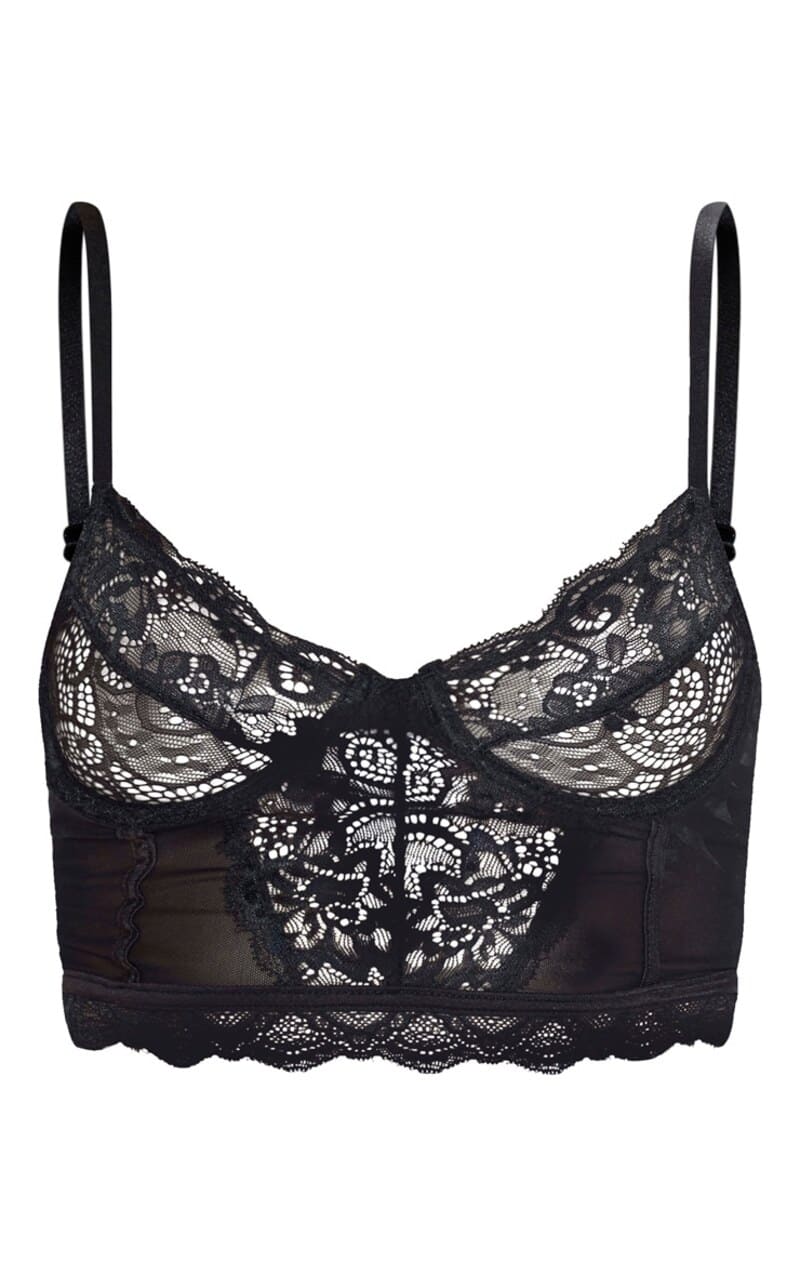
Lace
Openwork fabric in which solid motifs, usually floral, are held together by a net ground or by bars, made today on Leavers or Raschel machines.
Read more →
Mesh
Plain knitted net with small, evenly spaced holes and no pattern, from sheer bralette mesh to firm power mesh in shapewear.
Read more →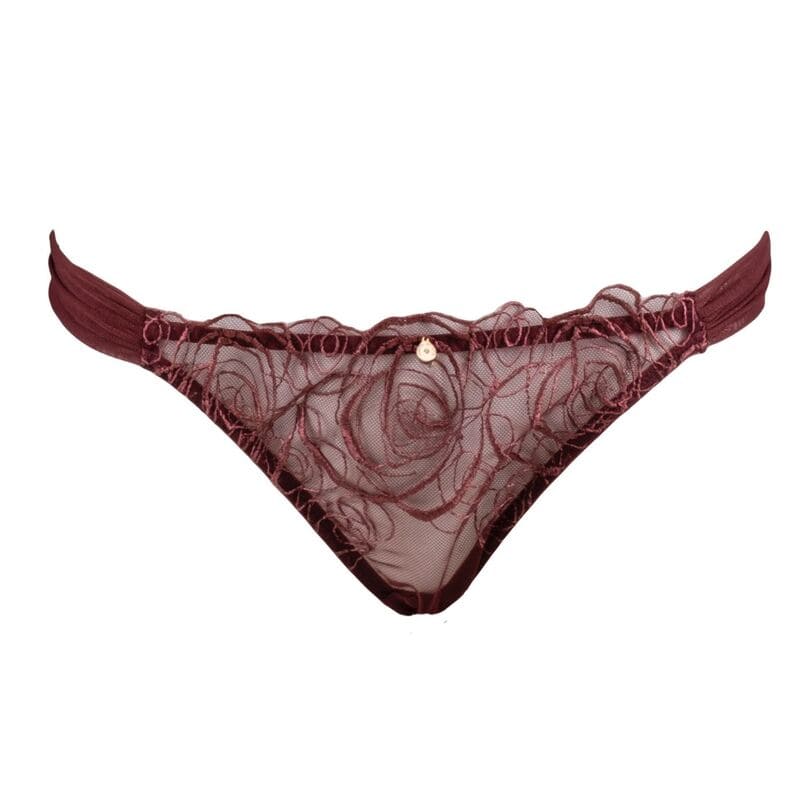
Tulle
Very fine, light net with small hexagonal holes, used in lingerie as a sheer ground for embroidery and as see-through overlay panels.
Read more →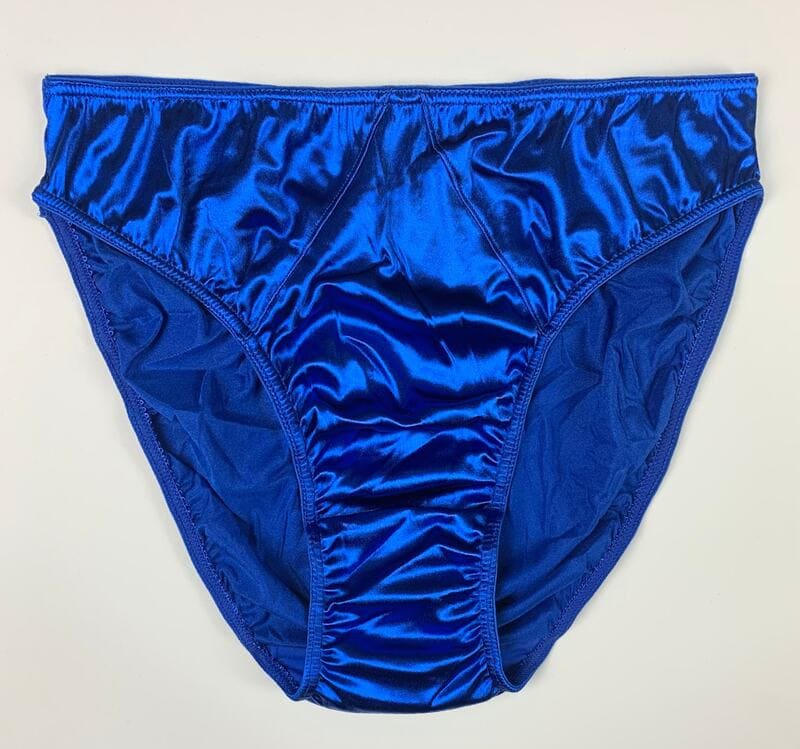
Satin
Smooth fabric with a glossy face and dull back, made by a satin weave in silk, polyester, nylon or acetate, used for slips and robes.
Read more →
Cotton
Natural plant fiber that is matte, soft and breathable, used for everyday bras, briefs and panty gussets, usually knit and often blended.
Read more →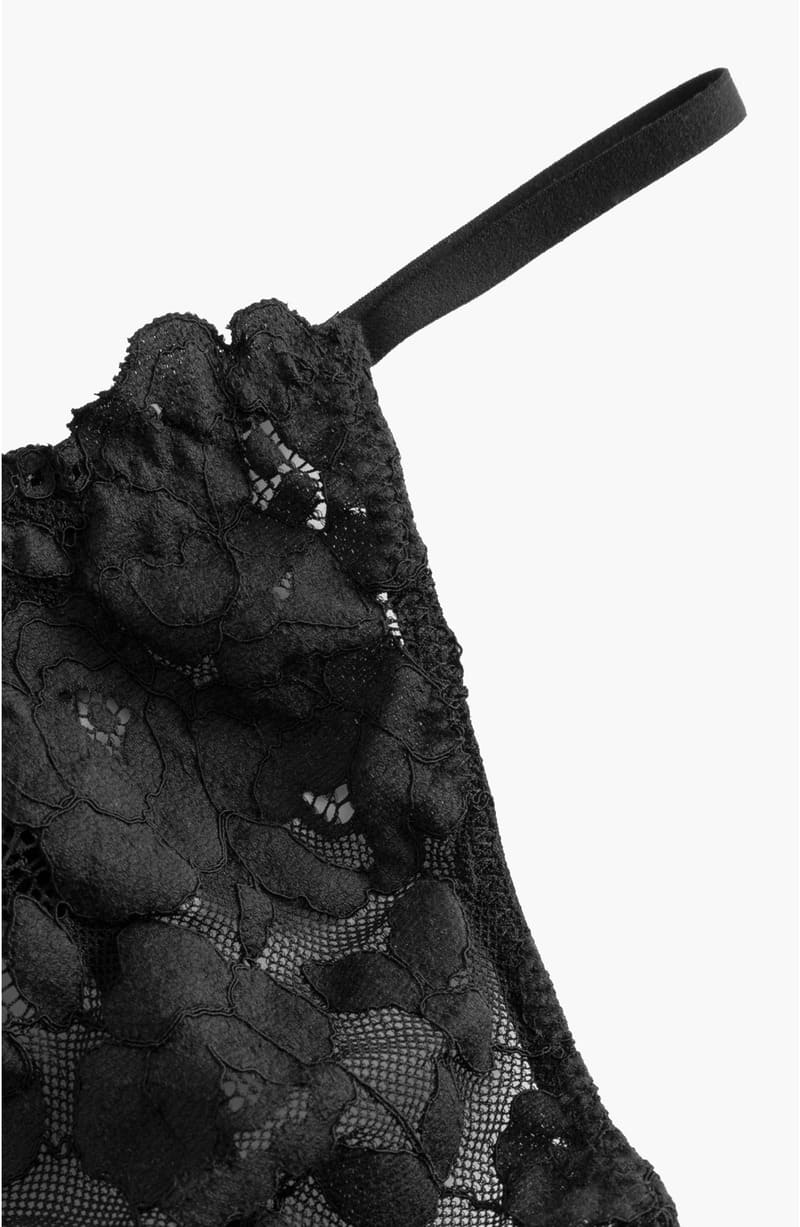
Jersey Knit
Single-knit fabric with fine V-shaped columns on the face and loops on the back, the stretchy T-shirt fabric of soft bras and sleepwear.
Read more →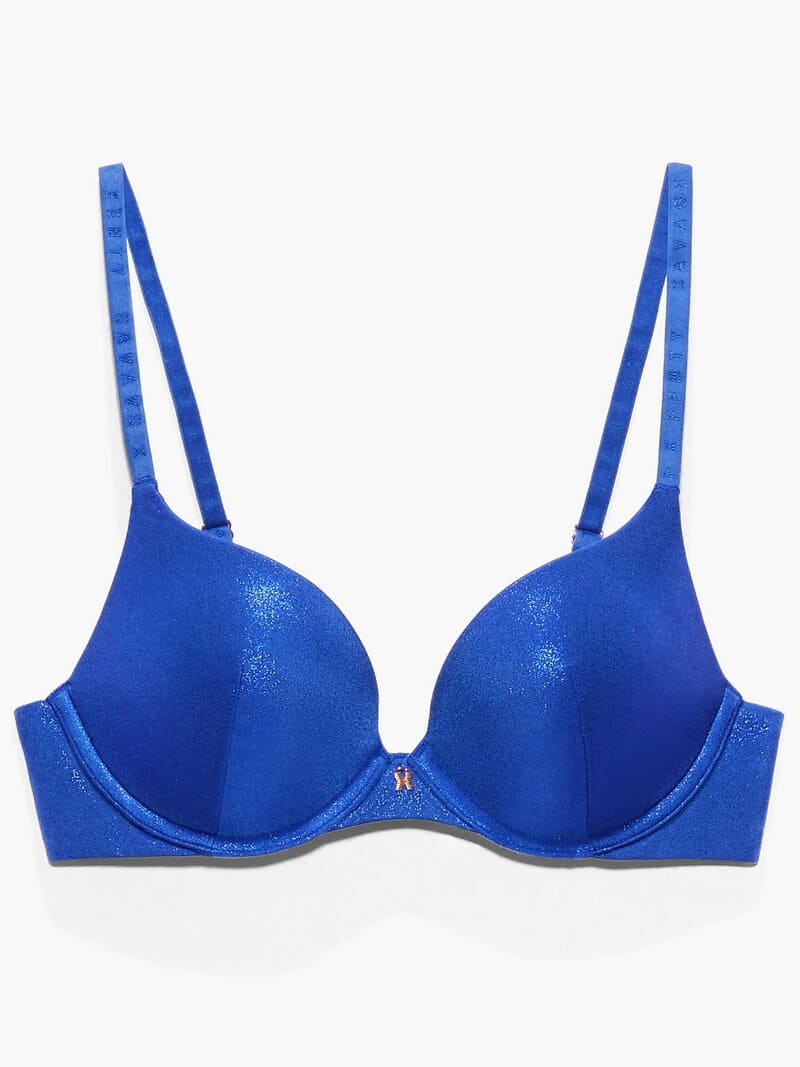
Microfiber
Smooth synthetic fabric knitted from nylon or polyester filaments finer than one denier, standard for T-shirt bras and invisible underwear.
Read more →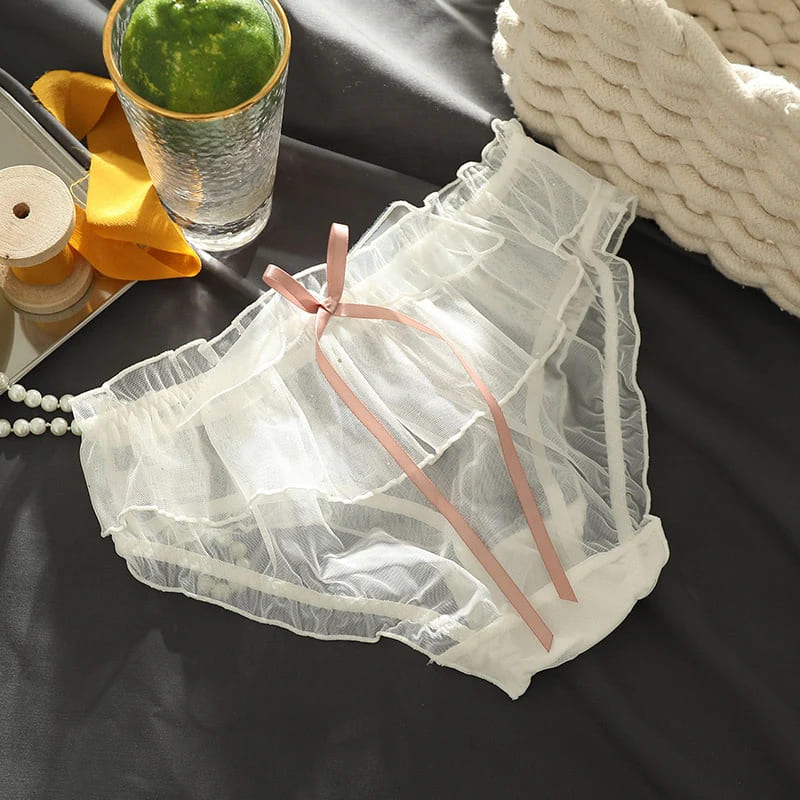
Chiffon
Light, sheer plain-weave cloth of twisted yarns with a faint crepe texture, used for floating overlays, negligees and robes.
Read more →Velvet
Woven fabric with a dense pile of short cut fibers that looks lighter or darker by direction, used for bodysuits, bralettes and robes.
Read more →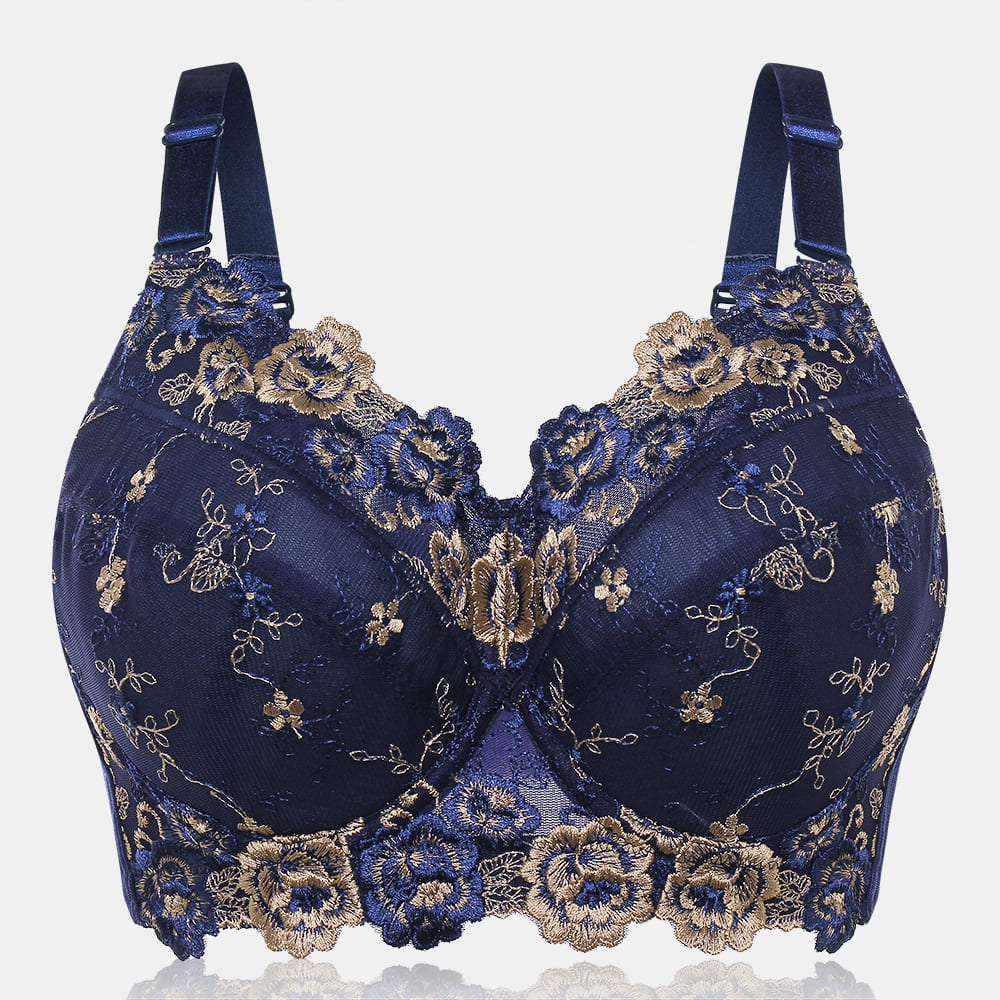
Embroidered
Fabric decorated with thread stitched onto a base cloth, usually tulle or mesh, so motifs sit raised on a sheer ground in bras and briefs.
Read more →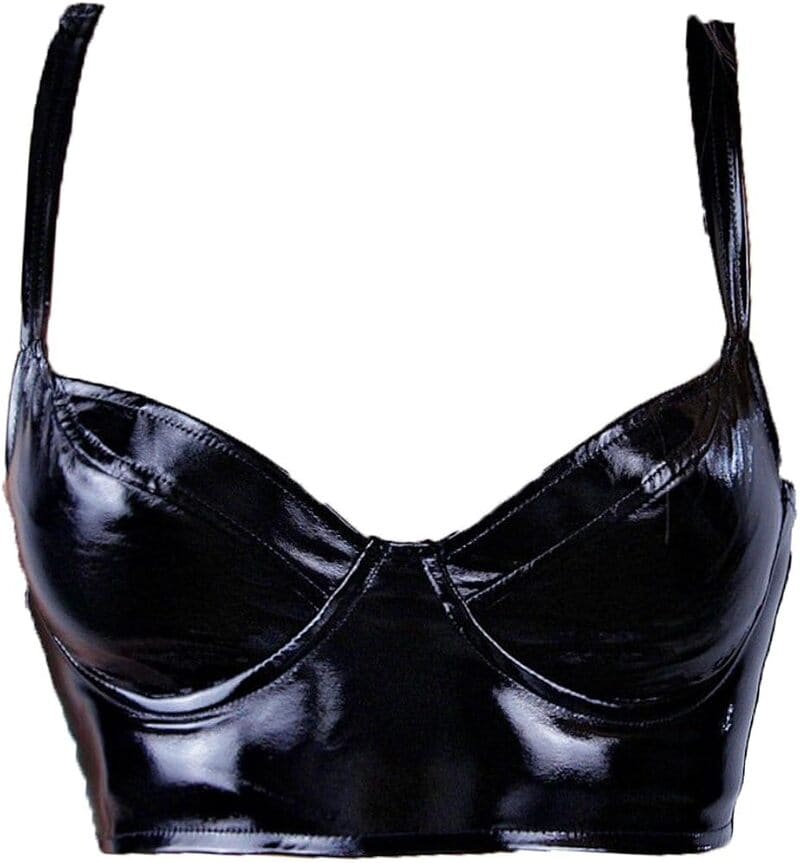
Leather / Vinyl / Latex
Glossy, opaque, non-woven surfaces grouped together: genuine leather, faux PU leather, PVC vinyl and latex rubber, often in black or red.
Read more →