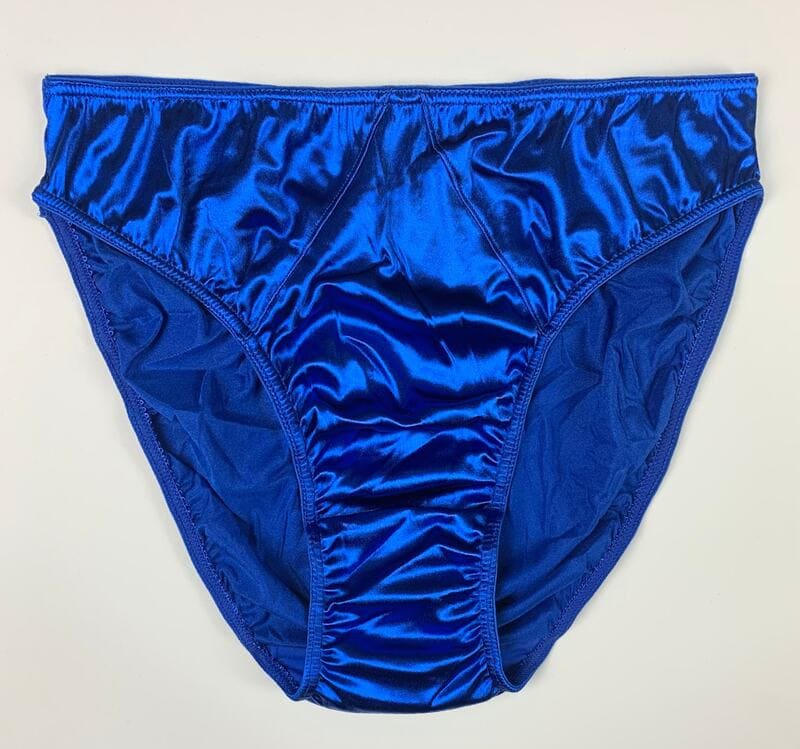
Satin is a weave, not a fiber. In a satin weave each warp thread floats over several weft threads before tying down once, and the long floats on the surface reflect light in an unbroken sheen. The back, where the ties show, is dull. Silk, polyester, nylon, acetate and viscose can all be woven this way.
The word comes from Zaitun, the Arabic name for the Chinese port of Quanzhou, where silk satin was exported westward. Italy was weaving its own satin by the 12th century. In lingerie the most prized version is silk charmeuse, a light satin with a very bright face and a matte crepe back, which drapes close to the body and suits bias-cut slips. Most lingerie satin is polyester, cheaper and more durable but less breathable, and a little more plastic in its shine.
Satin is used for slips, chemises, robes, pyjamas, garter belt panels, ribbon bows and the straps of many bras. Stretch satin with elastane covers moulded cups and gives a smooth line under fitted clothes.
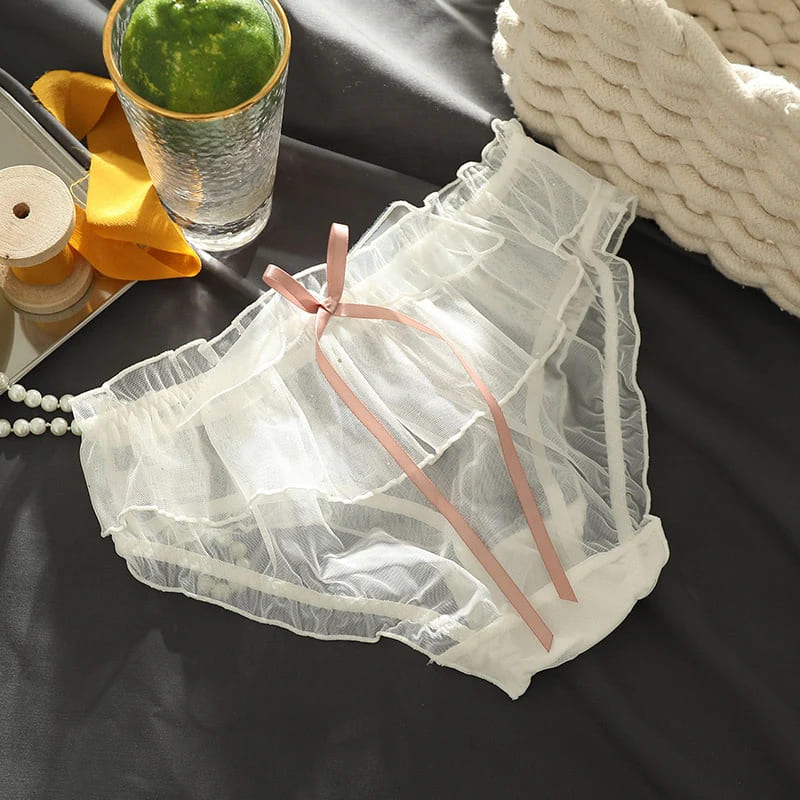
Satin suits wearers who want sheen and drape. It shows every snag and water mark, though, and polyester satin can feel warm. It is most easily confused with real silk, and the classifier treats them together; silk is a fiber and can be woven plain, while satin describes the shiny weave. Chiffon is matte and sheer. Microfiber can have a soft glow but never the mirror-bright highlight of a satin float.
How to Identify
- Bright, continuous highlight that slides across the fabric as it moves
- Glossy on the face, noticeably dull on the reverse
- No visible weave texture on the shiny side
- Opaque, with fluid drape and soft folds that catch the light
- Snags and pulled threads show as dull lines across the shine