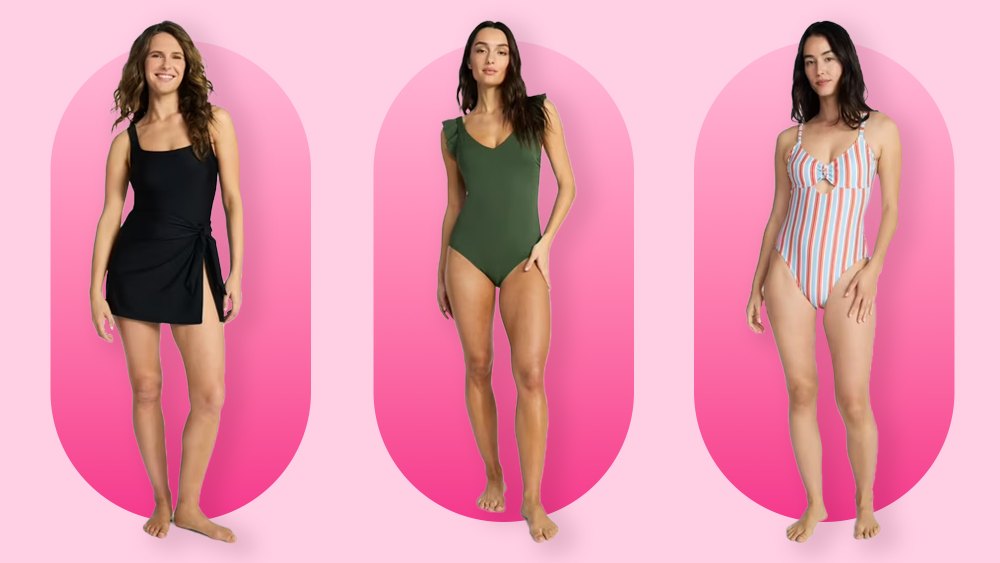
The annual pursuit of the perfect swimsuit is more than a seasonal ritual; it’s a modern echo of lingerie’s oldest promise: to sculpt, support, and inspire confidence. This quest for a flattering silhouette, now fulfilled by retailers like Walmart with surprisingly sophisticated designs, has direct lineage to the structured foundations of centuries past.
Consider the ‘tummy-control panel’ in a contemporary one-piece. Its ancestor is the corset, which for generations defined the female form. Brands like Warner’s, which began in the late 19th century producing corsets and corselettes, later pioneered similar control in girdles and foundation garments. The ‘supportive built-in shorts’ in a sporty swim dress recall the practical yet shaping function of mid-20th century playtex girdles. Even the adjustable straps and bust support in today’s plus-size suits are evolutions of engineering first seen in early brassieres from houses like Maidenform, which promised ‘dream’ silhouettes for every woman.
Walmart’s current collection, featuring ruching, wrap skirts, and strategic color-blocking, utilizes these historical principles of optical tailoring. The goal remains unchanged from the ateliers of old: to create a sense of ease and assurance. The democratization of such design—making premium-feeling support accessible—is the latest chapter in lingerie’s ongoing story. It proves that the desire to feel architecturally secure and aesthetically poised, whether in a satin corset or a ribbed fit-and-flare swimsuit, is a timeless current in fashion’s tide.
Originally reported by US Magazine