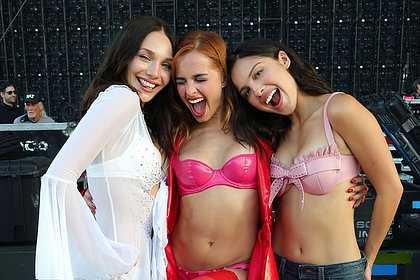
A decade after fashion declared the push-up bra outdated, the style is making a surprising return to runways and stages. In 2016, British Vogue announced the end of the cleavage era, with journalist Kathleen Baird-Murray writing that breasts would no longer be displayed for men. The article drew mockery on social media and criticism from those who argued that breasts are body parts, not accessories. Still, by the mid-2010s, heavily lifted and compressed busts had largely faded from fashion, replaced by a more natural, 1970s-inspired look.
Now, the same magazine acknowledges shifting views. At the recent Coachella festival, several trendsetting artists - including Addison Rae, Olivia Rodrigo, PinkPantheress, and K-pop group Katseye - performed in bras. Sales figures back the trend: Victoria's Secret creative director Adam Selman reports rising demand, with push-up styles priced around $79. Designers at Balenciaga, Miu Miu, and Rihanna's Savage x Fenty have also embraced the look. Kim Kardashian's Skims brand offers a special Nipple push-up bra that creates the illusion of visible nipples under clothing; it has sold out multiple times. Some breast cancer survivors say such bras help them feel feminine again after mastectomies.
Victoria's Secret has sold about 27 million push-up bras since 2019, with steady growth since 2024. Valerie Steele, chief curator at the Fashion Institute of Technology's museum, links the revival to a return of deliberate sexuality. She notes that women may use bold cleavage to conform to male ideals or to challenge gender norms through intentional vulgarity. Steele suggests this openness can also be a form of protest against anti-sex sentiments, stricter abortion laws, and the tradwife movement. "It's another way to break down conventional ideas about masculine and feminine," she concluded.
Originally reported by Lenta.RU