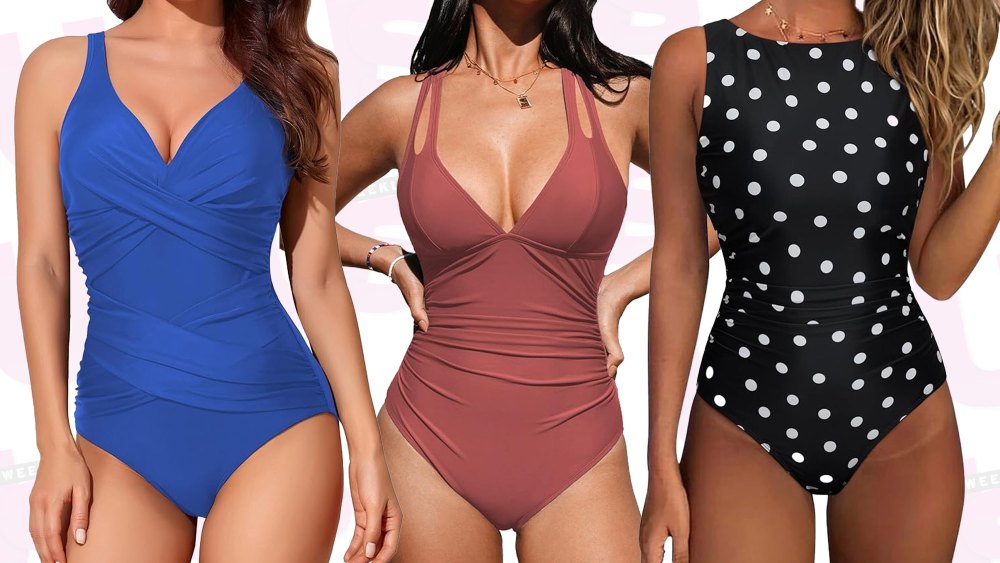
The seasonal search for swimwear often feels less like a pleasure and more like a sartorial trial. Yet the current embrace of the one-piece reveals a fascinating tension in lingerie history: the oscillation between revelation and concealment. This isn't merely about coverage; it's about architecture for the body. The contemporary market, with its clever ruching, strategic cut-outs, and bold color-blocking, echoes a century of design innovation aimed at sculpting the silhouette.
Consider the structural play of today's suits - the draped criss-cross designs recall the bias-cut gowns of the 1930s, which clung and moved in unexpected ways. The revival of thick, supportive straps nods to the practical glamour of 1940s beachwear, where function met a wartime aesthetic. Even the playful ruffles and skirted styles have a precedent in the more demure, yet decidedly chic, resort wear of the early 20th century.
Brands now producing these affordable pieces operate in the long shadow of pioneers like Maidenform, which in the 1950s applied brassiere engineering to swimsuits, and Jantzen, which decades earlier transformed knitting technology to create the first form-fitting 'swimming costumes.' The modern one-piece, therefore, is not a simple garment. It is a direct descendant of a century's worth of technical ingenuity focused on crafting confidence. It proves that coverage can be as compelling, as complex, and as historically rich as exposure.
Originally reported by US Magazine