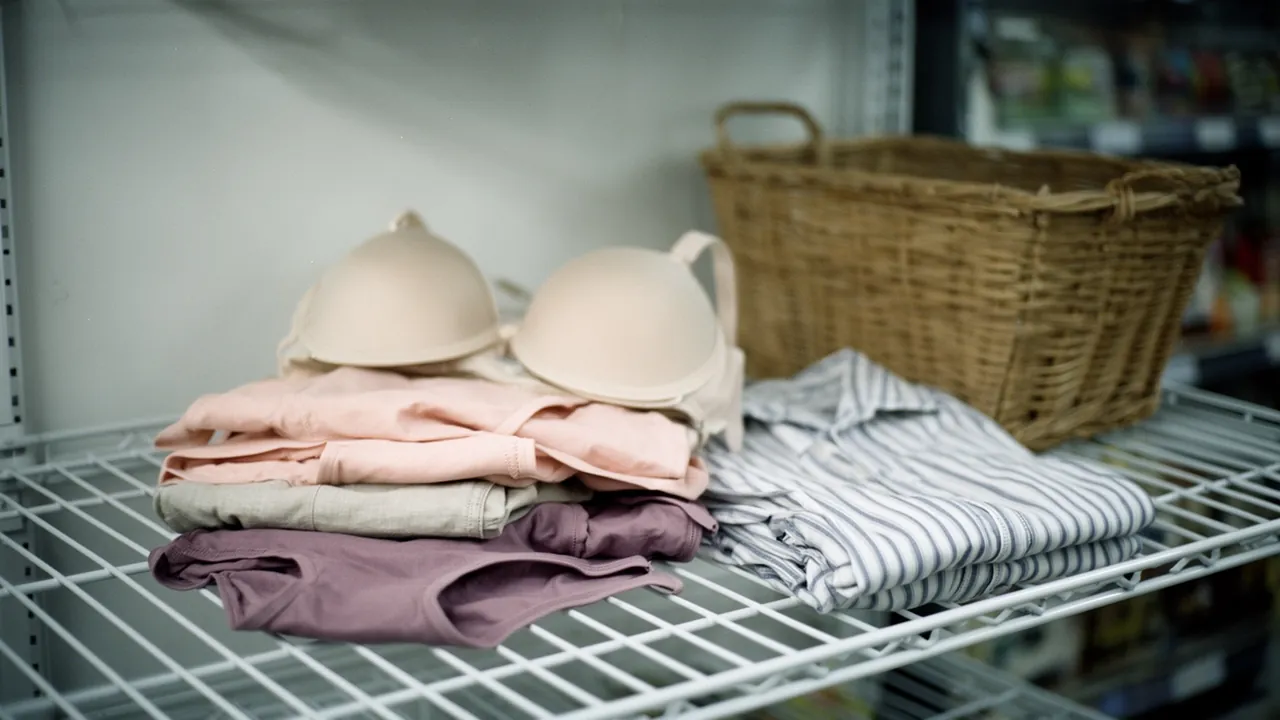
Tesco Lingerie refers to the bras, briefs and nightwear sold by Tesco, the British supermarket group founded by Jack Cohen in Hackney, London, in 1919, under its in-house clothing brand F&F. F&F launched in 2001 as Florence & Fred in Tesco's supermarkets in the United Kingdom and Ireland, and for many British shoppers it is where everyday underwear goes into the trolley next to the weekly groceries.
A grocer that started selling clothes
Tesco began trading in Hackney in 1919 and grew into a national supermarket chain, now headquartered in Welwyn Garden City, Hertfordshire. Clothing came very late in that story. For most of the twentieth century supermarket shoppers bought underwear at department stores, at Marks & Spencer or from catalog companies, not where they bought bread.
That changed around the turn of the century, when the big grocers saw that their floor space and footfall could sell cheap clothing in volume. Tesco's answer arrived in 2001.
Florence & Fred, 2001
F&F launched in 2001 under the name Florence & Fred, a friendly, slightly old-fashioned pairing of names that made the range sound like a high-street shop rather than a supermarket aisle. It went into Tesco stores in the United Kingdom and Ireland, and the abbreviated F&F became the everyday name.
The museum could not confirm who designed the early ranges or how the line was first organized. What is clear is the model: a full clothing department run inside a grocery store, priced to be bought on impulse, with underwear and nightwear in the mix because they are replaced so often.
Tesco lingerie on the supermarket rail
Supermarket lingerie works under different rules from the specialist trade. The customer has rarely come in for a bra. She is buying one because it is there, it is cheap and she knows her size, so supermarket ranges typically lean on repeat basics: multipacks of full briefs and bikini briefs, simple T-shirt bras, soft-cup and non-wired styles, and pajama sets.
Fit services, wide cup ranges and fashion lace are harder to deliver in that setting. Very few customers will try a bra on in a supermarket, so styles that forgive a size error, such as stretch crop tops and soft cups, tend to suit the format. The museum's archive lists close to 60 products recorded as Tesco lingerie, and they should be read in that light: inexpensive everyday pieces made in large runs.
F&F beyond the supermarket
Wikipedia records that F&F began operating standalone stores in 2010, taking the brand outside Tesco's own buildings, and that it later partnered with Next plc for its online presence. The details of where those standalone stores operated and how long they lasted are beyond what the museum could check, so they are left out here.
The Next partnership is a telling move. A grocer is good at moving huge volumes through its own aisles but has no special skill at fashion e-commerce, and handing that job to a clothing retailer with its own online platform let F&F reach customers who never set foot in a Tesco.
Where Tesco sits in British lingerie
In Britain, supermarket clothing labels now compete directly with high-street value chains and online sellers such as H&M and Bonprix for the cheapest end of the underwear market. None of them is trying to be a specialist lingerie house. Their strength is reach: a supermarket can put a three-pack of briefs in front of millions of shoppers a week, which no boutique brand can match.
Tesco's lingerie has never had a famous designer, a signature fabric or a museum-piece moment, and it does not need one. It is part of how a large share of the British public now buys underwear, quietly and in passing, a century after Jack Cohen started trading in Hackney.
Last updated
Sources
- en.wikipedia.org: Tesco
Collections (1)
Members
How Tesco Lingerie fits
Loading member reviews...
54 products in our archive
Use our Lingerie Identifier to find matching pieces